
From Passion to the 3H Philosophy: The Thinking Behind GIVE SPACE's Approach to Education
2026-06-30
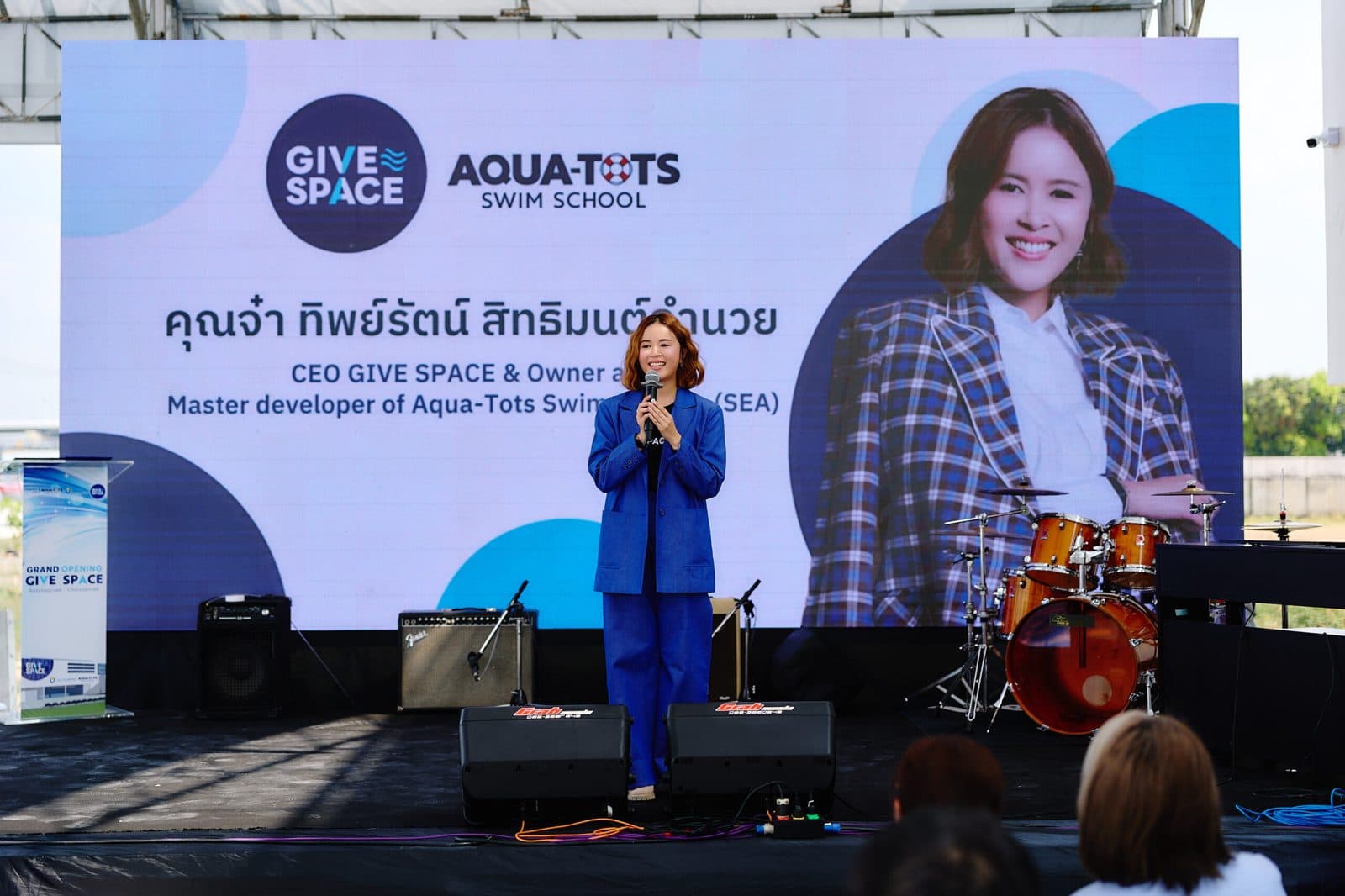
If you ask why GIVE SPACE exists, the answer isn't really about how many subjects we teach or how many activities a child can choose from.
It's about a bigger question:
"What kind of person do we hope a child will grow up to be?"
GIVE SPACE's thinking today didn't come from theory alone. It took shape gradually from the experience of Give Education's leadership — as an entrepreneur, as someone running an education business, and as a mother who saw that a child's education should offer more than knowledge or a single skill.
An interview with "Khun Ja of Give Education" on Wisdom on the House, published on 23 June 2026, shared many of the ideas behind building GIVE SPACE — from day one to the educational philosophy that guides how we design our spaces and learning experiences for children today.
GIVE SPACE began with a wish to build something of her own
Before entering education, Give Education's founder grew up around a family business and already had a fairly clear career path.
But what she wanted wasn't simply to take over something that already existed — it was to build something herself.
That intention led to a children's skills school that brought music, art, and Taekwondo together under one roof, which later became the starting point of the GIVE SPACE journey.
In the early days, a lot started from passion: a picture of what a classroom should feel like, what children should get to learn, what kind of space families deserved. But as the business grew, one lesson became clear:
Good intentions alone aren't enough without systems that keep quality growing alongside them.
Passion gets you started; "systems" let quality grow
One key lesson from those early years was that when everything relies on a few people's abilities, growth makes things complicated very quickly. What worked in one space might not work once there are more teams, more classes, and more students.
That experience made systems, standards, and continuous improvement a core part of how Give Education is run.
For GIVE SPACE, this means more than good back-office processes.
In education, "systems" have to make sure the quality of what a child receives doesn't depend on luck.
From choosing activities, class formats, the role of teachers, and tracking each learner's progress, to creating chances for students to use what they practice in real life — all of it has to connect.
From "what should kids learn?" to "how should kids grow?"
The more we worked with children, the more the question shifted — from "Which subjects should we offer?"
to "How will what a child learns today matter in their life?"
A child shouldn't be defined by grades, academic ability, or a single type of skill.
Some kids are strong thinkers, some are strong makers, some are especially sensitive to the people around them. Some express themselves through music, some through sport, some through art, and some through technology.
That thinking crystallized into the 3H philosophy — Head, Hands, Heart, which now guides how GIVE SPACE looks at learning.
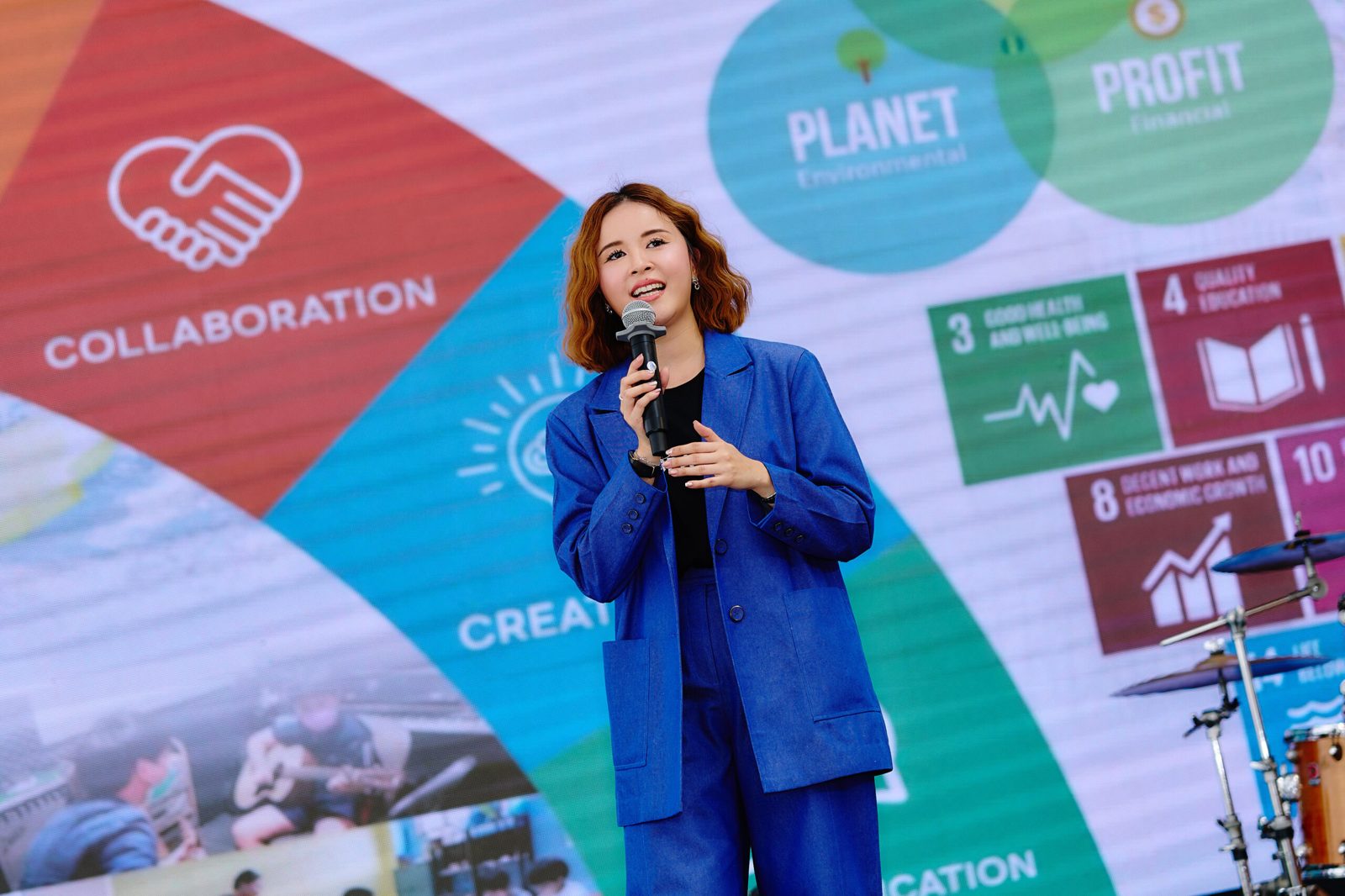
Head — children need to think
Head is about thinking, reasoning, and making sense of the world. At GIVE SPACE, that doesn't only mean academics.
Activities like Coding, Robotics, Minecraft Education, and 3D Printing give children room to ask questions, plan, experiment, and solve problems.
Even music, sport, and art have a Head side: children have to remember patterns, read situations, plan what to do, and learn from what happens.
We don't just want children to "memorize answers" — we want them to think when no answer has been prepared for them.
Hands — knowledge has to pass through doing
Hands is another part GIVE SPACE cares deeply about, because so much understanding happens when children actually do something, not only when someone explains it.
Learning 3D Printing means designing. Learning Robotics means building, testing, and fixing. Learning music means picking up an instrument and practicing. Learning Ballet or Taekwondo means using your body again and again until it clicks.
In the interview, Give Education's leadership describes Hands as building direct experience through practice, because deep learning can't come from memorization alone.
That's why so many GIVE SPACE activities are hands-on learning: children don't just receive information — they make something themselves.
Heart — skills matter when children understand themselves and others
The third part is Heart. We could raise children who think well and do well, but without self-understanding, empathy, or responsibility for what they do, those skills still don't add up to complete growth.
Heart covers self-awareness, confidence, working with others, empathy, taking responsibility for your role, and learning to live alongside other people.
Give Education's leadership sees Head, Hands, and Heart as inseparable, because developing only one isn't enough to prepare a child for real life.
This is why GIVE SPACE offers so many subjects
Seen through 3H, it becomes clear why GIVE SPACE didn't choose to be a single-subject school.
One child might discover themselves through Piano, another through Taekwondo. Another might find they love solving problems in Robotics, while someone else finds their voice through Art or Dance.
We don't expect every child to walk the same path.
What we want to build is a space where children can try many kinds of experiences before gradually seeing what they're interested in and want to develop.
Self-discovery rarely happens because an adult says "you're good at this." It often happens when a child tries something and realizes on their own:
"I like this, and I want to get better at it."
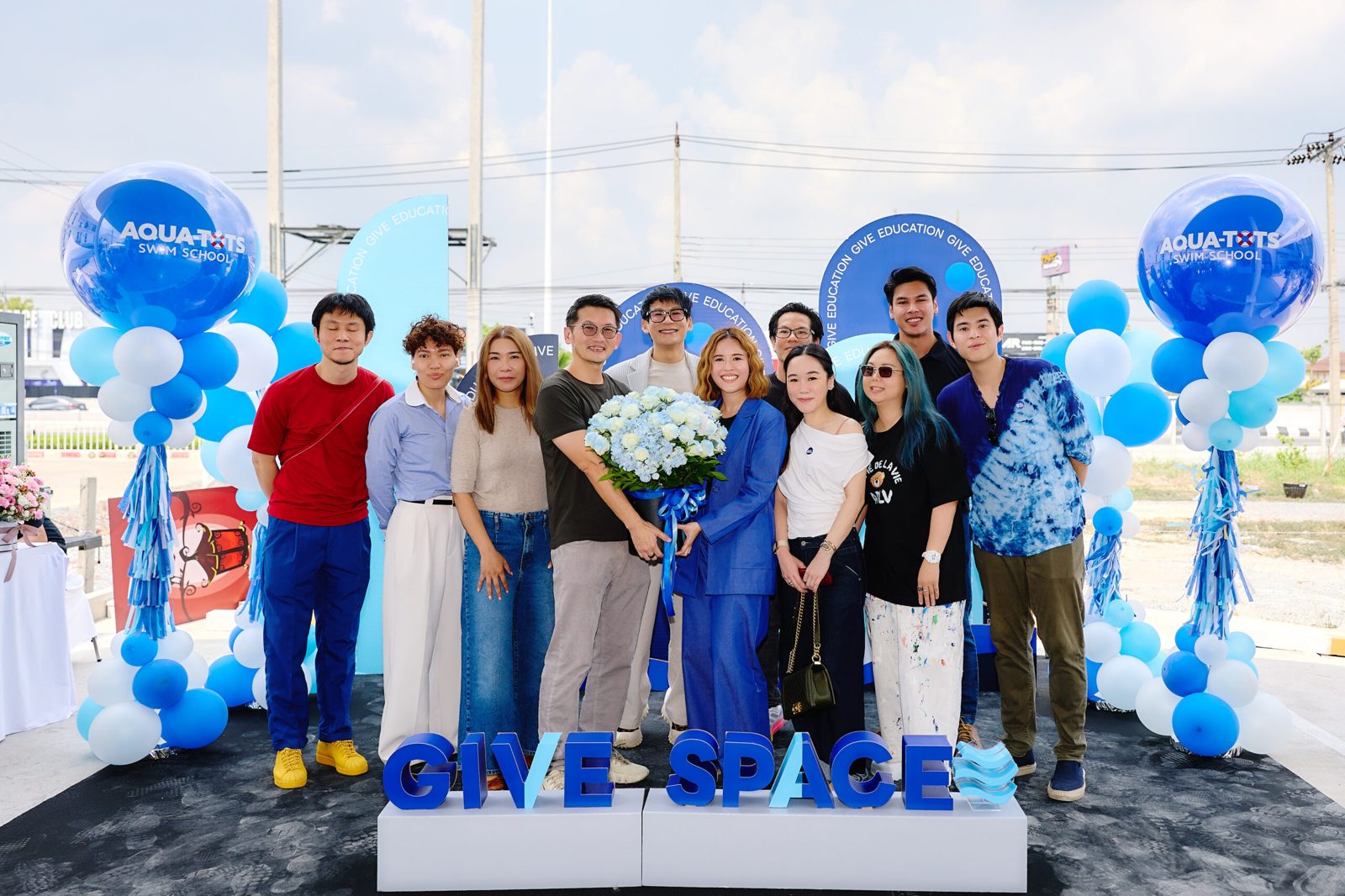
From the classroom to real stages and real experiences
Another part of hands-on learning is that it shouldn't end when class time is over. That's why GIVE SPACE has concerts, showcases, competitions, level and belt tests, workshops, and other events.
- Children learning music get chances to perform on stage.
- Children learning Taekwondo have belt promotion tests and competition experience.
- Children learning technology have room to put what they think up and build into real use.
These experiences turn the learning journey into
learn → practice → do → face real situations → keep learning
so children can see more clearly what their weekly effort means.
Small but Beautiful — growth doesn't have to mean "biggest"
Another idea from the interview that captures Give Education's identity is
"Small but Beautiful."
Instead of measuring success only by revenue, number of branches, or growing as large as possible, the leadership sees education as "planting seeds" for people.
So the key question isn't only how many students we have, but
what do children take with them after passing through this space?
- Do they know themselves better?
- Have they dared to do something they used to fear?
- Can they solve problems better than before?
- Have they found something they love?
- And can what they learned become a skill that matters in their lives?
For GIVE SPACE, that's the kind of growth we want to see.
GIVE SPACE — a place where children think, feel, and do
Today GIVE SPACE offers a wide range of classes, from music, art, and dance to sport and technology. But variety isn't the end goal. The goal is to give children space to try, think, make, get to know themselves, and grow in their own way.
In the end, good education may not be about making every child the same. It's about creating an environment good enough that each child gradually discovers
who they are, what they care about, and what they want to do with their abilities.
(This article is adapted from the ideas of Give Education's leadership as shared in an interview with Wisdom on the House on 23 June 2026.)
Frequently asked questions
What is GIVE SPACE's Head – Heart – Hands philosophy?
At GIVE SPACE, we look at child development through three connected dimensions:
- Head — thinking, analysis, and problem-solving
- Heart — self-understanding, confidence, and getting along with others
- Hands — doing, and turning ideas into real experience
That's why GIVE SPACE offers music, art, sport, dance, and technology — each activity gives children a different way to use all three.
Why does GIVE SPACE offer more than 20 subjects?
Because we don't believe every child has to discover themselves through the same subject. Some start with music, some love movement, some are drawn to art, and others enjoy technology and problem-solving.
Having options across many areas lets children try things and find what they're interested in through real experience, without having their path decided from the start.
I don't know which subject suits my child yet. Can we still start at GIVE SPACE?
Yes — and you don't need to know the answer before you come. The GIVE SPACE team can start from your child's age, interests, personality, and what you'd like them to develop, and suggest activities worth trying.
Sometimes the best way to find out what suits a child is to give them room to try for themselves.
Want your child to discover what they love through hands-on experience? Start with an activity they're curious about at GIVE SPACE.
Contact GIVE SPACE Tel. 080-025-5545 · LINE: @givespacesalaya · Facebook: givespacesalaya