
You Don't Have to Win Every Set to Win the Match: The Lesson in Resilience We Want Kids to Learn
2026-08-05
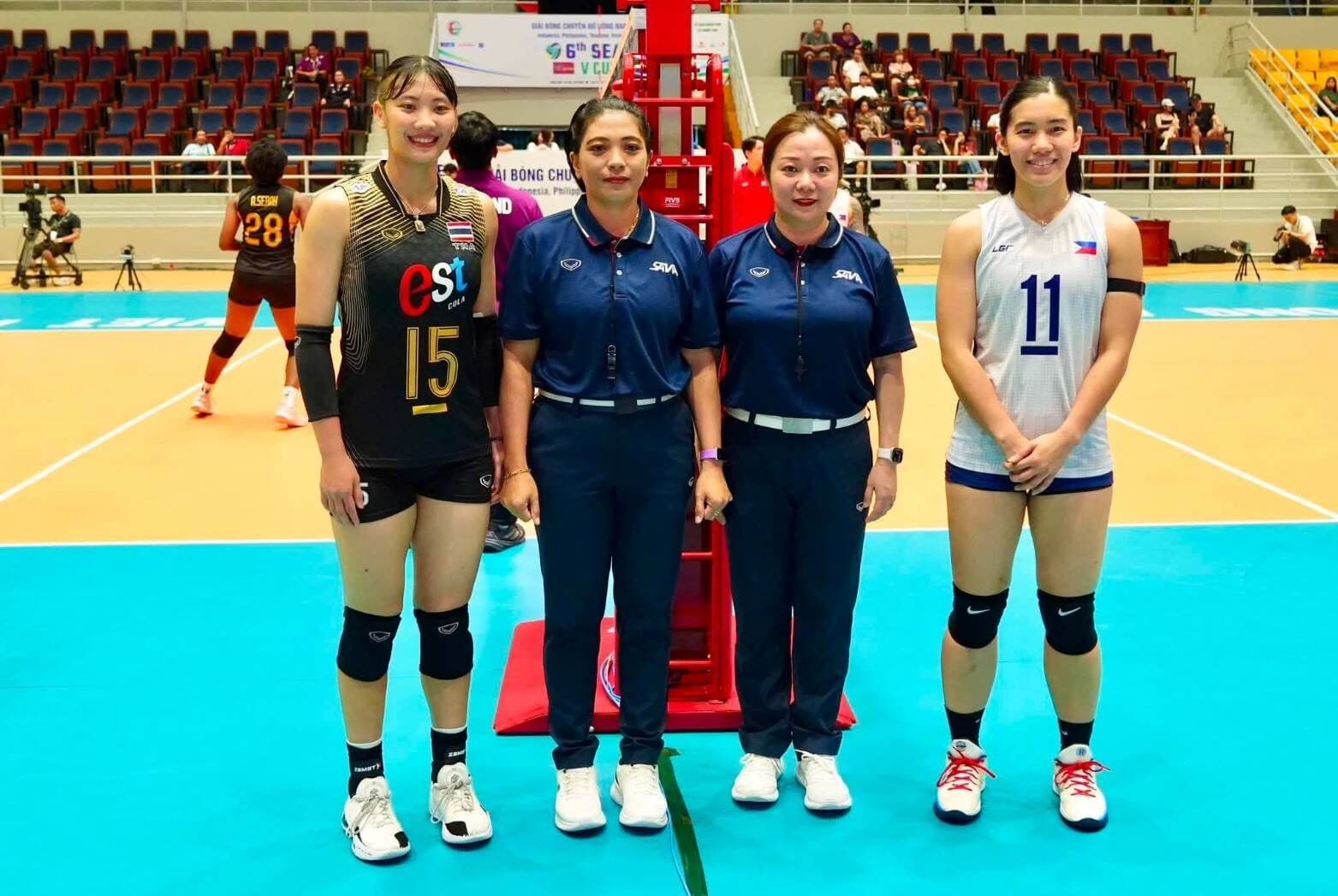
Sometimes what a child needs to learn from competition isn't just how to "win," but how to keep playing after things don't go the way they hoped.
On 1 August 2026, Thailand's national women's volleyball team played the Philippines at the SEA V Cup 2026 in Hanoi, Vietnam.
It wasn't an easy win.
Thailand took the first set 25-17, before the Philippines came back to win the second 25-19. Thailand went ahead again in the third set 25-15, but the Philippines refused to give in and leveled the match at 2-2 by taking the fourth 25-18. It all came down to the fifth set, which Thailand closed out 15-10 to win 3-2.
If we only looked at the result, we might just remember "Thailand won."
But as a parent, a teacher, or anyone helping a child grow, there's another interesting lesson in this match — because children's lives don't only have "winning sets" either.
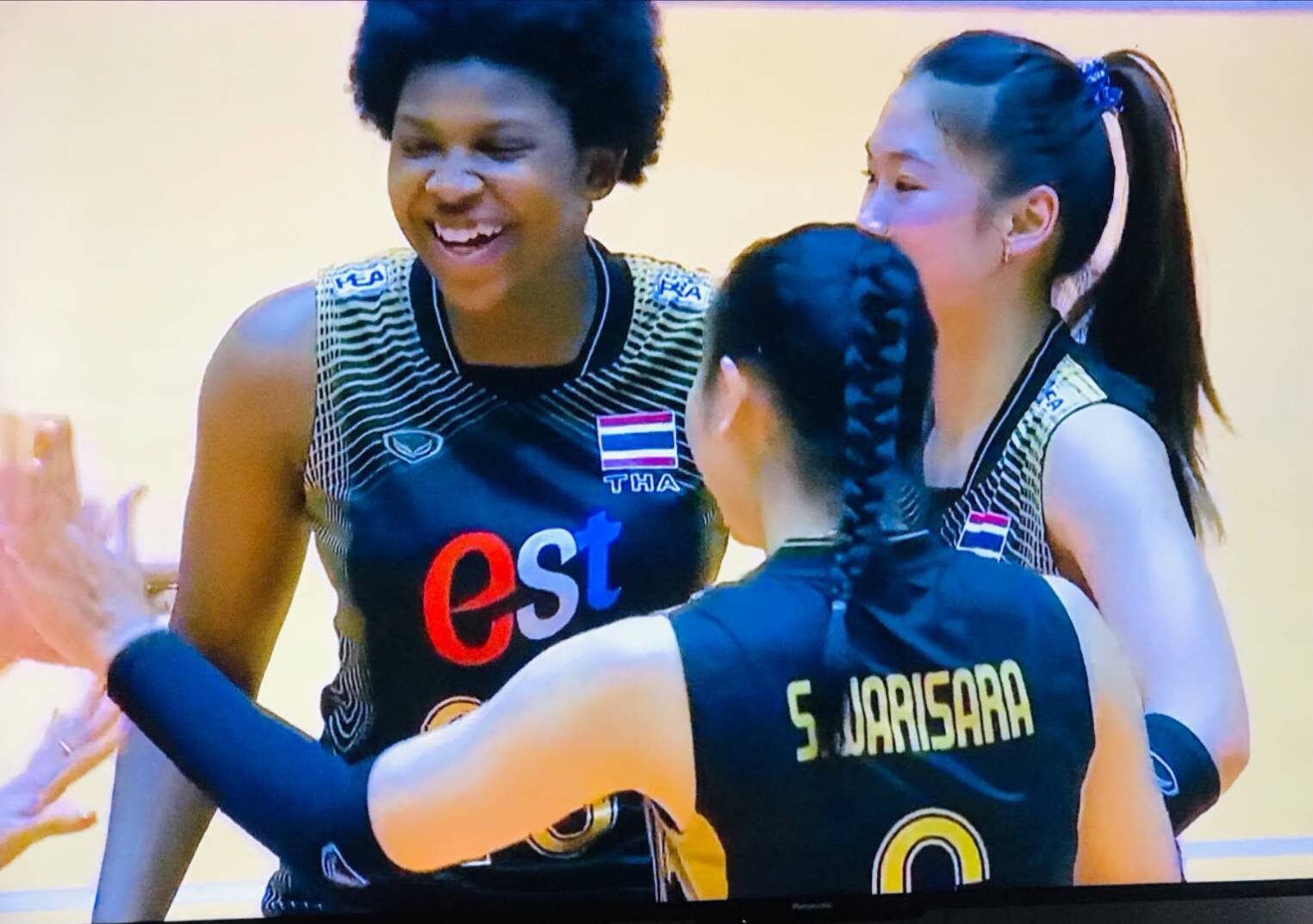
Kids don't need to do well every time to grow well
Think of the day your child is learning Piano and plays wrong the song they played perfectly yesterday. The day they can't remember the dance steps. The day the Robot they spent ages building doesn't work. The day a competition doesn't go as they hoped. Or the day they can do something well in practice but freeze in front of a crowd.
If we only look at "today's result," these can all look like failures.
But if we see learning as a long game, any single day might just be one set in a bigger match. Losing one set doesn't mean losing the match. Playing one wrong note doesn't mean they can't play. Failing one test doesn't mean they lack ability. And the day a child says "I can't do it" doesn't mean they never will.
What matters is what they do next.
"Grit" doesn't mean never feeling disappointed
Adults sometimes imagine a resilient child as one who doesn't cry, doesn't get upset, isn't afraid, and is always ready to fight back. But strength doesn't mean having no feelings. Children can be disappointed, sad, angry, or need a break.
What matters more is whether, after those feelings pass, they can gradually come back, deal with what happened, and move forward.
Harvard's Center on the Developing Child explains that resilience isn't a trait some children are "born with" and others aren't. It involves both coping skills and the supportive factors around a child — especially stable relationships with supportive adults, plus opportunities to build adaptive and self-regulation skills.
Put simply, we can't teach a child grit just by saying "keep fighting." They need chances to practice it.
Resilience grows when things "don't go to plan"
If every time a child faces something hard we jump in and do it for them, every time they're about to lose we take the game out of their hands, and every time they don't want to go on stage we remove the opportunity, they get fewer chances to learn
"When things get hard, what do I do about it?"
Of course, this doesn't mean leaving children to face pressure beyond what they're ready for. The key is creating age-appropriate challenges with an adult beside them as a safe base.
Harvard notes that dealing with challenges at a manageable level — "manageable stress" — is part of developing the ability to cope, while supportive relationships with parents, teachers, coaches, and other adults are a key ingredient of resilience.
So children don't need to be protected from every "hard thing." They need someone to help keep that difficulty at a level they can gradually learn from.
Sometimes the most helpful thing a parent can do is not fix the game for them
Think about sport again. Once a point is lost, an athlete can't go back in time and replay it. What they can do is accept that the point is over, look at what happened, adjust what's needed, and get ready for the next point.
That's a skill children use far beyond sport:
- Play a wrong note, then get back into the rhythm.
- Lose your place in a dance, then find your position again.
- Answer a question wrong, then try another way of thinking.
- Build a Robot that doesn't work, then go back and find the problem.
- Lose a competition, then look at what still needs practice.
So the goal doesn't have to be "don't make mistakes" — it can be "I made a mistake, so what do I do next?"
Try changing the questions you ask after class
When a child comes back from a class, competition, performance, or activity, an adult's first questions are often:
"Could you do it?" "Did you win?" "Did the teacher praise you?" "What place did you get?"
There's nothing wrong with those questions. But if you want to know how your child is learning on the "inside," try adding a different kind of question:
- "What was the hardest part today?"
- "When you couldn't do it, how did you try to fix it?"
- "Was there anything you thought you couldn't do at first, but managed in the end?"
- "If you could try again, what would you do differently?"
Conversations like these shift attention from just the result to the process, and show children that their parents care not only about the days they win, but about how they learn.
At GIVE SPACE, we want kids to have "real arenas" to grow in
This is one reason GIVE SPACE values experiences outside the classroom alongside regular classes. Children learning music have concerts and showcases to try performing on stage. Children learning Taekwondo have belt promotion tests and chances to experience real competition. Children learning technology get to build, solve problems, and see whether what they designed works the way they expected.
In class, children learn and practice. In real situations, they meet the unpredictable — nerves, mistakes, pressure, other people with different abilities, or results that don't turn out as hoped.
These experiences aren't there to prove which child is best. They're another space that helps children get to know themselves.
Head – Heart – Hands and the lesson of grit
GIVE SPACE's Head – Heart – Hands philosophy shows up clearly here:
- Head — when there's a problem, children have to think about what happened and how to adjust.
- Hands — children have to do it again, practice again, try again — not just understand it in their head.
- Heart — children have to learn to live with disappointment, nerves, and fear, and gradually build confidence from their own experience.
These three don't work separately. In real situations, children use thinking, skill, and feeling all at once.
You don't have to win every set to win your own match
The Thailand–Philippines volleyball match ended in a 3-2 win for Thailand. But the lesson we want to share with parents isn't just the score. It's the picture of a match with stretches of advantage and disadvantage, restarts, and a result decided only in the final set.
Children's growth is similar. Nobody wins every day. Some days go well, some don't; some days they feel confident, some days they want to give up. What we want to see isn't a child who "never loses," but a child who gradually learns that
when a day doesn't go the way they hoped, they can still come back and play the next point.
And maybe that's a skill that matters more in life than any trophy.
(Photos: Matichon Online. The match details in this article are based on Matichon Online's report on the SEA V Cup 2026 women's volleyball match. The explanation of resilience draws on the Center on the Developing Child at Harvard University.)
Frequently asked questions
How do children build resilience through activities at GIVE SPACE?
GIVE SPACE doesn't have a class called "Grit 101," because resilience develops gradually through the learning process. Children might meet a passage they can't play yet, a move they haven't mastered, a technology problem they have to solve several times, or the nerves of performing on a real stage.
So a teacher's role isn't only to teach children to "get it right," but to help them through the stretch where they can't do it yet, and to see their own progress through consistent practice.
Why does GIVE SPACE run concerts, competitions, showcases, and activities outside the classroom?
Because some skills can only be learned in real situations. Rehearsing feels different from performing on a real stage, and training Taekwondo feels different from competing. GIVE SPACE wants children to have a path of learn → practice → try it for real → come back and keep learning.
We don't expect every child to compete or perform in the same way. But when a child is ready, these experiences can help them see both what they can do and what they can still improve.
Which subject should my child take to build confidence and grit?
No single subject builds resilience instantly. What matters is choosing an activity your child is interested enough in to keep going, even on the days it gets hard.
GIVE SPACE offers Music, Art, Dance, Taekwondo, and Technology, so we can look at your child's age, interests, personality, and learning style and suggest activities that suit them, rather than using one formula for everyone.
Want your child to try, meet challenges, and gradually take pride in what they can do? Start with something they're curious about — the GIVE SPACE team can help recommend classes that fit your child's age and nature.
Contact GIVE SPACE Tel. 080-025-5545 · LINE: @givespacesalaya · Facebook: givespacesalaya